
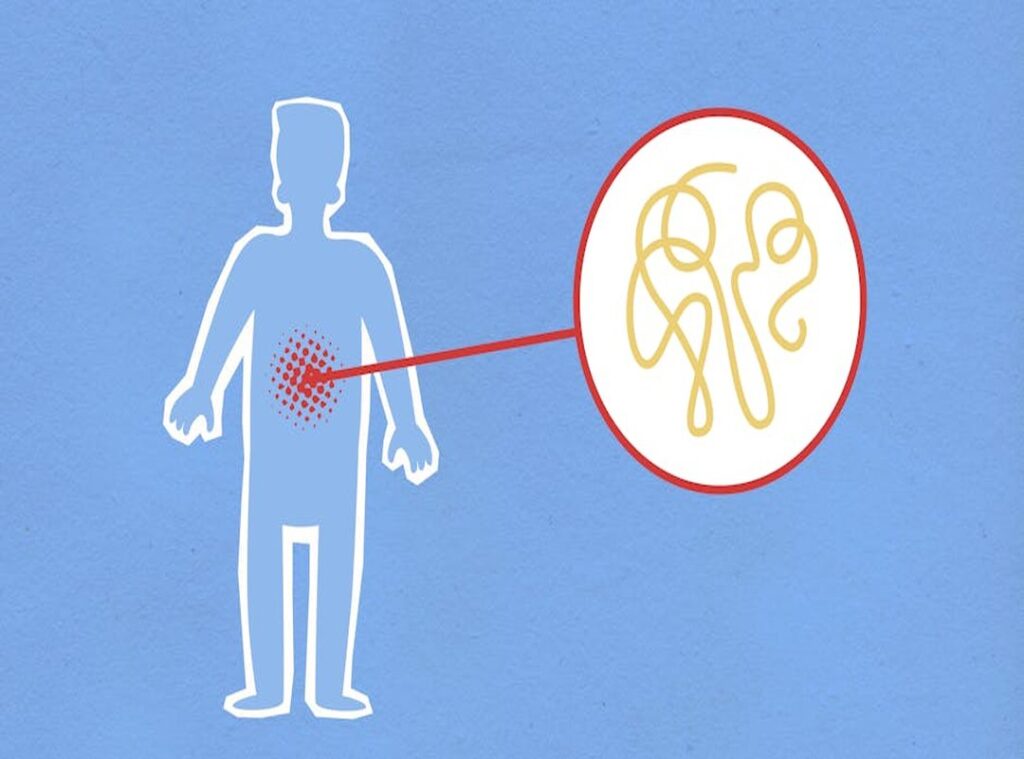
The most common way to say ديدان البطن بالفرنسية is “vers intestinaux.”
But here’s the thing: while that’s the direct translation, a real-world conversation, especially with a doctor, needs more specific vocabulary.
This article is here to give you a comprehensive guide to the essential French terms for different types of worms, symptoms, and treatments.
You can trust this to be a practical, easy-to-understand resource. Whether you’re a traveler, an expatriate, or just someone who needs to navigate this health topic in a French-speaking environment, I’ve got you covered.
By the end, you’ll know the general terms and specific phrases you can use at a pharmacy or doctor’s office. Let’s dive in.
Core Vocabulary: Beyond the Basic Translation
Let’s dive into the term Vers intestinaux (Intestinal worms). This is the general, medically-accepted phrase.
In casual conversation, you might hear someone say Avoir des vers (To have worms). It’s a more common and informal way to talk about it.
Un ver (a worm) is the singular form. For example, J’ai vu un ver dans mon jardin. (I saw a worm in my garden.)
Des vers (worms) is the plural form. For example, Il y a des vers dans le compost. (There are worms in the compost.)
The broader term parasites intestinaux (intestinal parasites) is used in more formal medical contexts. It covers a wider range of intestinal invaders, not just worms.
Pronunciation guide:
– vers (sounds like vair)
– intestinaux (sounds like an-test-in-oh)
Here’s a quick reference table:
| English Term | French Equivalent |
|---|---|
| Intestinal worms | Vers intestinaux |
| To have worms | Avoir des vers |
| Worm | Un ver |
| Worms | Des vers |
| Intestinal parasites | Parasites intestinaux |
Knowing these terms can help you communicate more effectively, whether you’re talking to a doctor or chatting with friends. And if you ever need to use the term in Arabic, remember ديدان البطن بالفرنسية for “intestinal worms” in French.
Identifying Common Types of Worms in French
Knowing the specific names for different types of worms in French is crucial. It helps in getting an accurate diagnosis and treatment.
Let’s start with Pinworms. In French, they’re called Oxyures. These are very common in children.
Les oxyures provoquent des démangeaisons la nuit. (Pinworms cause itching at night.)
Roundworms are another type. In French, they’re known as Ascaris. These are larger parasites.
L’ascaris peut causer des douleurs abdominales. (Roundworm can cause abdominal pain.)
Tapeworms have a couple of names in French. The scientific term is Ténia, but it’s more commonly known as Ver solitaire (solitary worm). The name comes from the fact that it’s often a single worm.
Hookworms are Ankylostomes in French. These are less common in Europe. But if you travel globally, it’s important to know this term.
Understanding these specific names can help a pharmacist or doctor provide the correct medication without confusion. It’s frustrating when you go to a pharmacy and they don’t understand what you’re talking about. ديدان البطن بالفرنسية can be a real headache if you don’t know the right terms. Varmozim
So, next time you need to discuss these issues, you’ll be better prepared.
How to Describe Symptoms to a French-Speaking Doctor

When you’re dealing with ديدان البطن بالفرنسية (intestinal worms), it’s crucial to know how to express your symptoms in French. Here’s a practical vocabulary list to help you out.
Common Symptoms:
– Douleur abdominale (abdominal pain)
– Nausées (nausea)
– Démangeaisons (itching)
– Diarrhée (diarrhea)
Knowing these terms can make your conversation with the doctor much smoother.
Expressing how you feel is just as important. You might say:
– J’ai mal au ventre (My stomach hurts)
– Je ne me sens pas bien (I don’t feel well)
These phrases can help the doctor understand your condition better.
The doctor might ask some key questions to get more details:
– Depuis quand avez-vous ces symptômes? (How long have you had these symptoms?)
Being prepared for these questions can help the doctor diagnose you more effectively.
Understanding the vocabulary for diagnosis is also useful. For example, une analyse de selles (a stool analysis) is a common test used to detect intestinal worms.
Here’s a short dialogue to put it all into context:
Patient: Bonjour, docteur. J’ai mal au ventre et des nausées.
Doctor: Depuis quand avez-vous ces symptômes?
Patient: Ça fait environ une semaine.
Doctor: Je vais vous prescrire une analyse de selles pour vérifier s’il y a des parasites.
This simple exchange can help you and the doctor communicate clearly and effectively.
Understanding Treatment and Prevention Terms in French
When it comes to health, knowing the right terms can make a big difference. In French, the word for treatment is le traitement.
If you’re dealing with ديدان البطن بالفرنسية (worms in the stomach), you’ll need un vermifuge. This is the specific term for deworming medicine. It’s what you should ask for at a pharmacie (pharmacy).
Of course, un médicament (a medication) and une ordonnance (a prescription) are also useful terms to know. They come up a lot when you’re dealing with any kind of medical issue.
Prevention is just as important. Simple things like Lavez-vous les mains (Wash your hands) and Bien cuire la viande (Cook meat well) can go a long way in keeping you healthy.
Confidently Navigate Health Conversations in French
You’ve now covered essential terms like vers intestinaux, oxyures, and vermifuge. These words are crucial for discussing intestinal health issues. With this knowledge, you can now have a functional conversation about symptoms and treatment.
Understanding these terms can significantly reduce stress and lead to better health outcomes when traveling or living in a French-speaking region.
Bookmark this guide for quick reference before your next visit.