
I remember staring at my first paycheck and having no idea what to do with it.
You probably feel the same right now.
Money feels confusing. Overwhelming. Like everyone else knows the rules except you.
They don’t. Most young adults are winging it. Making the same mistakes.
Overspending, ignoring debt, skipping savings (because) nobody taught them how to start.
That’s why this is Good Financial Advice for Young Adults Gscbizness. Not theory. Not jargon.
Just real steps I’ve used (and) seen work. For people your age.
You don’t need a finance degree. You need clarity. You need habits that stick.
This article gives you both. No fluff. No hype.
Just straight talk about what actually moves the needle.
You’ll learn how to pay yourself first. How to handle student loans without panic. How to build credit without risking everything.
All of it fits into your actual life.
Not some fantasy budget where you never eat out or buy coffee.
You’re not behind.
You’re just waiting for advice that makes sense.
That starts here.
Budgets Aren’t Magic. They’re Just Plans.
A budget is a plan for your money. Not a restriction. Not a punishment.
Just where your cash goes each month.
I’m not sure why people act like it’s complicated. It’s not. You list what comes in and what goes out.
That’s it.
You need this now more than ever. Because knowing where your money vanishes stops surprise overdraft fees. Because avoiding debt isn’t luck.
It’s choice. Because that trip, that laptop, that emergency fund? They don’t happen without a plan.
Try the 50/30/20 rule: half to needs (rent, groceries), thirty percent to wants (coffee runs, concerts), twenty to savings or debt payoff. Or just track every dollar for one month. See what’s real.
Not what you think is real.
Be honest. That daily $7 latte? It’s $210 a month.
Ouch. (But also fine. If you value it.)
Use a free app. Or a spreadsheet. Whatever sticks.
If you hate spreadsheets, don’t use one. Find what works for you.
Good Financial Advice for Young Adults Gscbizness starts with admitting you don’t have to get it perfect the first time. Gscbizness has no jargon (just) clear steps.
Adjust next month. Then the month after. Your budget changes because you change.
What’s one thing you’ll stop pretending you can afford?
Start Saving Early. Seriously.
I opened my first savings account at 19 with $27. It felt stupid. Like dropping pennies into a well.
Savings is money you keep separate. Just for emergencies or goals like a car, house, or retirement. Not for rent.
Not for coffee. Just for when things break.
An emergency fund means 3. 6 months of your actual living expenses. Not your dream budget. Your real rent, groceries, phone bill.
(Yes, even if that number makes you sweat.)
Compound interest? It’s money earning money. Then that new money earns money too.
Like a snowball rolling downhill. Small at first, heavier as it goes.
I started at 19. My friend waited until 30. Same monthly deposit.
Same interest rate. By 65, I had nearly twice as much. No magic.
Just time.
You don’t need big money to start. $25 a week works. $50 a month works. What doesn’t work? Waiting until you “have more.”
And into your future.
Set up automatic transfers. Let your bank move the money before you see it. Out of sight, out of mind.
This is Good Financial Advice for Young Adults Gscbizness. It’s not flashy. It’s boring.
And boring wins every time.
Debt Isn’t Evil (It’s) a Tool
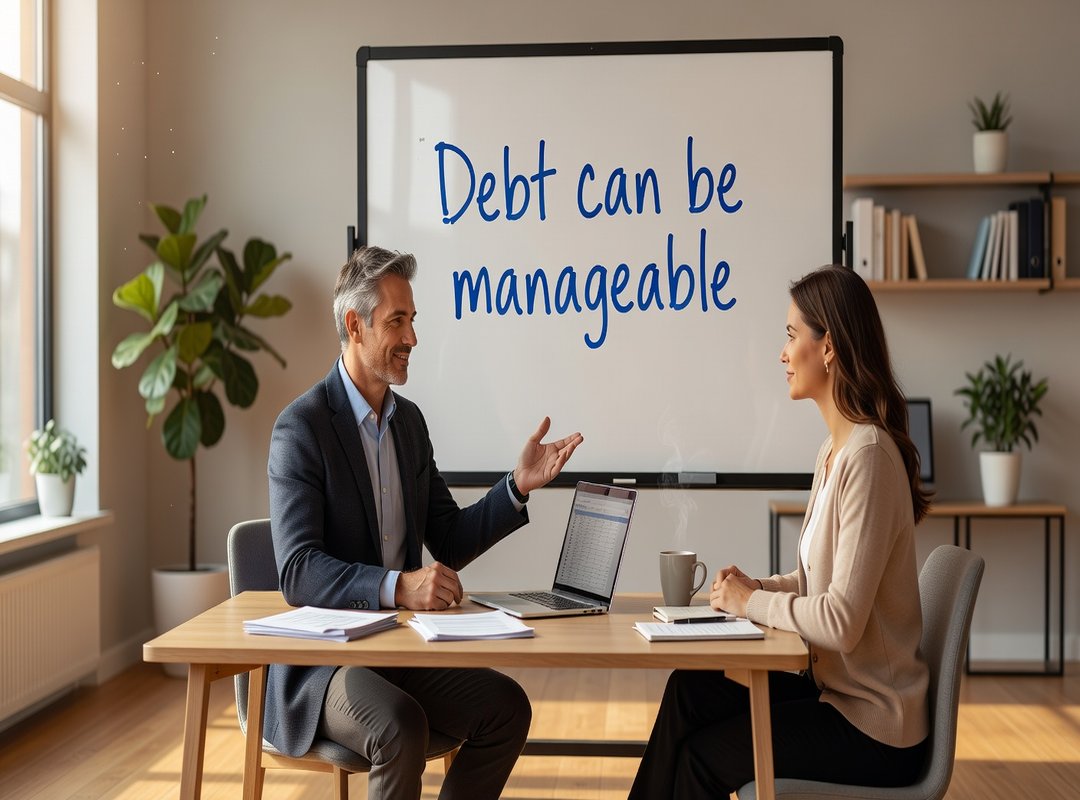
I’ve watched friends drown in credit card debt while paying off student loans without panic. The difference? One treated debt like a weapon.
To avoid falling into the same trap, it’s essential to seek guidance on effective financial strategies and explore resources like What Can I Do to Optimize My Business Gscbizness.
The other treated it like a loan.
Good debt pays for something that grows in value or earns income later. Student loans can be good debt (if) the degree leads to a real job. Credit card debt at 24% interest?
That’s bad debt. It eats your paycheck before you even see it.
Then it feels impossible. (Yes, I checked the math. Yes, it’s worse than you think.)
You know that $500 charge you put on the card and only pay the minimum? That $500 turns into $900. Then $1,200.
Make student loan payments on time (even) small ones. Know your repayment plan. Income-driven?
Refinance? Don’t ignore it and hope it fades.
Use credit cards like cash (not) like free money. Pay the full balance every month. No exceptions.
If you can’t pay it now, don’t buy it.
Your credit score is just a number lenders use to decide if you’re trustworthy. It affects rent, car loans, even some jobs. It’s not magic.
It’s math based on what you actually do.
What Can I Do to Improve My Business Gscbizness
That same discipline applies whether you’re managing personal debt or business cash flow.
A credit score isn’t fate. It’s feedback. Fix one thing this week.
Not everything. Just one. Then do it again next week.
Investing Isn’t Optional
I started investing at 23 with $50 a month. Not because I was rich. Because I was tired of being broke.
You think you need money to invest? Wrong. You need time.
And consistency. That’s it.
Stocks mean you own a tiny piece of a company. Bonds mean you’re lending money to a company or government (and) they pay you back with interest. Simple.
No jargon. No gatekeeping.
Index funds and ETFs spread your money across hundreds of companies. They cost almost nothing. And they beat most stock-pickers over time.
(Most people don’t know this.)
Your 401k? Use it (especially) if your employer matches. That’s free money.
Not “maybe” money. Free.
Markets drop. They always do. So what?
You’re not selling next year. Or next decade. You’re building something that lasts.
Panic sells headlines.
Staying put builds wealth.
Education pays off too. A certification, a coding bootcamp, even better negotiation skills. They all raise your income ceiling.
Don’t wait for “someday.”
Someday is now. Or never.
That’s investing. Real investing.
For more Good Financial Advice for Young Adults Gscbizness, check out Gscbizness
Your Money. Your Move.
I started budgeting at twenty-two. It felt stupid at first. Like counting pennies while my friends ordered takeout.
But then I stopped wondering where my paycheck went. I stopped sweating every bill. You want that too.
Financial uncertainty is exhausting. You’re tired of guessing if rent will clear. Tired of saying no to coffee because your balance looks wrong.
This isn’t about perfection. It’s about picking Good Financial Advice for Young Adults Gscbizness that fits your life right now. Budgeting.
Saving. Tackling debt. Investing (even) $25 a month.
These aren’t chores. They’re choices that add up. Fast.
So pick one thing. Just one. Open your banking app today and set up an auto-transfer to savings.
Or write down every expense for three days. Or call your credit card company and ask for a lower rate.
You don’t need to fix everything tonight. You just need to start. Right now.
What’s one thing you’ll do before bed tonight? Go ahead. Do it.
Then come back tomorrow and do it again.
Your future self is already thanking you.